MBR vs MBBR vs Radical Flotation: Choosing the Right STP Technology

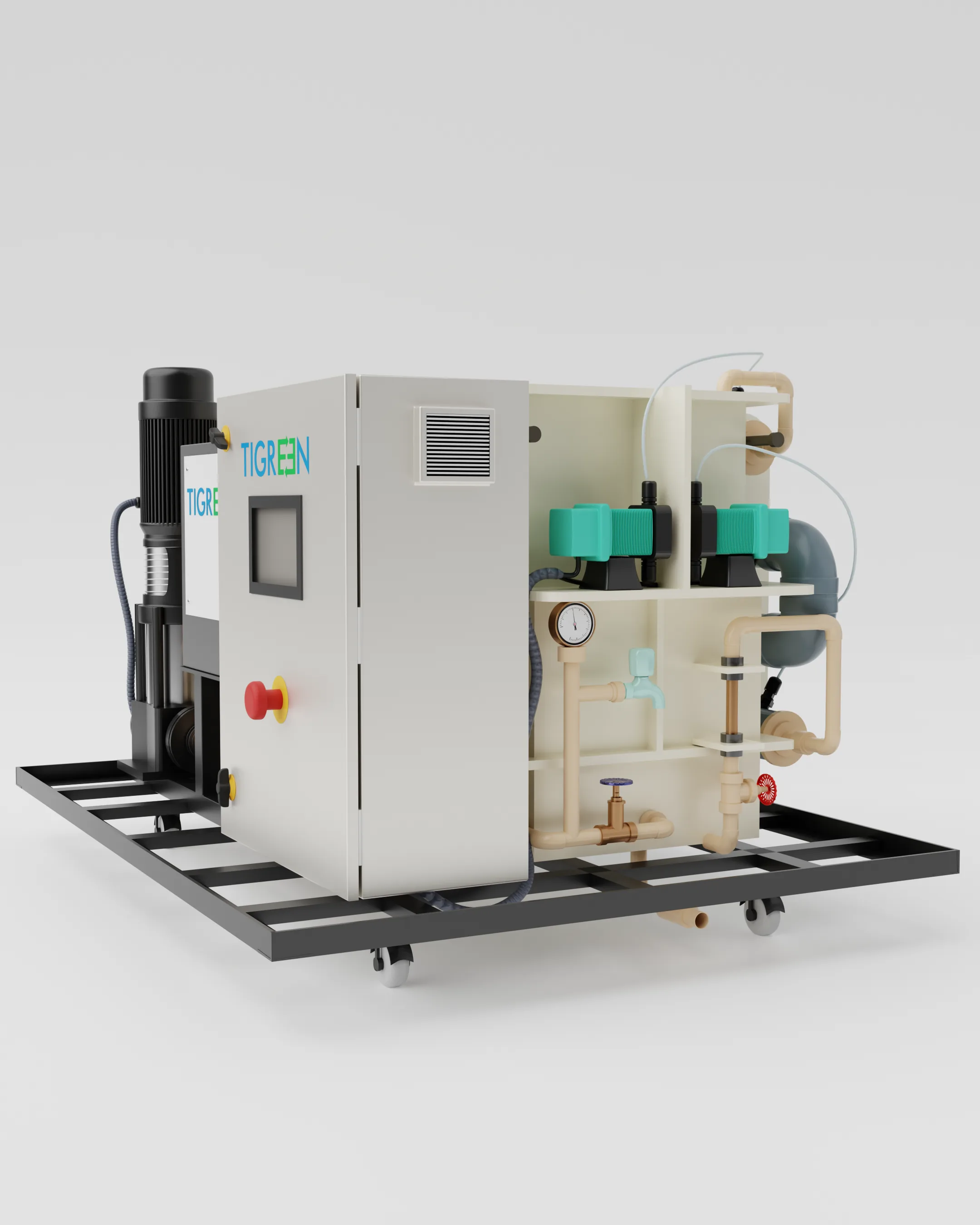
The Evolution of Wastewater Treatment Technologies
Commercial building owners and industrial facility managers face a daunting array of choices when selecting a Sewage Treatment Plant (STP) or Effluent Treatment Plant (ETP). The most common biological treatment technologies on the market are Moving Bed Biofilm Reactors (MBBR) and Membrane Bioreactors (MBR).
However, as municipal space constraints tighten and compliance limits get stricter, a newer physical-chemical process—Radical Microbubble Flotation—is rapidly gaining traction. Let's compare these three technologies side-by-side.
1. Moving Bed Biofilm Reactor (MBBR)
MBBR relies on plastic carriers (media) floating inside an aeration tank. Biomass grows on these carriers, consuming organic pollutants.
- Pros: Moderate Capex, relatively simple biological process, and handles load variations better than traditional activated sludge.
- Cons: Requires a large land area for settling tanks. Secondary settling is slow, and effluent quality rarely meets the strict KSPCB/TNPCB limit of <10 mg/L BOD without significant secondary sand/carbon filtration.
2. Membrane Bioreactor (MBR)
MBR combines conventional biological treatment with membrane filtration (usually microfiltration or ultrafiltration membranes).
- Pros: High-quality treated water (BOD <5 mg/L), compact footprint (no secondary clarifier needed).
- Cons: Very high Capex and Opex. Membranes clog frequently (organic fouling) and require regular chemical backwashing, acid cleaning, and costly replacement every 3 to 5 years. Power consumption is also high due to continuous membrane aeration.
3. Radical Microbubble Flotation (Tigreen System)
Tigreen's technology bypasses slow biological settling tanks and delicate membranes. It uses physical-chemical microbubble flotation to separate suspended solids, oils, and chemical effluents in seconds.
- Pros: Ultra-compact footprint (fits in a single car parking space ~15 m²), completely pre-built and skid-mounted (no civil work), extremely resilient to detergent surges, and achieves 85% water recovery. Capex and Opex are significantly lower than MBR since there are no membranes to clog.
- Cons: Physical-chemical flotation requires stable power and a level concrete bed for skid mounting, and is optimized for capacities between 20 KLD and 300 KLD.
Technical Side-by-Side Comparison
| Feature | MBBR (Bio-Reactor) | MBR (Membrane) | Radical Flotation (Tigreen) |
|---|---|---|---|
| Space Needed | High (100–200 m²) | Medium (40–60 m²) | Minimal (~15–20 m²) |
| Civil Works | Extensive excavation | Moderate concrete tanks | Zero (Skid mounted) |
| Effluent BOD | 15 - 25 mg/L | < 5 mg/L | < 5 mg/L |
| Membrane Clogging | No | Yes (Frequent) | No (Self-cleaning skids) |
About the Author: Tigreen Team
The Tigreen Team consists of expert process engineers, environmental compliance specialists, and sustainability innovators working to design high-efficiency, space-saving wastewater recycling systems.
